
Traditional Indian clothing for women is one of the most diverse and vibrant fashion cultures in the world. From the graceful drape of a saree to the breezy silhouette of a kaftan dress, Indian ethnic wear reflects centuries of artistry, regional heritage, and evolving contemporary style. Whether you are a first-time buyer exploring Indian fashion or a seasoned wearer looking to expand your wardrobe, this guide walks you through the most popular and must-have styles — including India coord sets, womens kaftan dresses, pre draped sarees, blouses, and Indian wedding outfits for women — along with expert tips on how to wear and style each one.
What Is Traditional Indian Clothing for Women?
Traditional Indian clothing for women is a broad category that encompasses garments worn across India's 28 states, each with its own weaving traditions, fabric choices, and styling conventions. The most iconic piece is, without question, the saree — a single length of unstitched fabric ranging from 5 to 9 yards, draped artfully around the body. But traditional Indian women's fashion goes well beyond the saree. It includes salwar kameez, lehengas, anarkalis, dupattas, and increasingly, modern fusion silhouettes like coord sets and kaftans that blend ethnic aesthetics with contemporary comfort.

What makes Indian ethnic wear so special is its incredible textile legacy. Fabrics like Banarasi silk, Chanderi cotton, Kanjivaram silk, Bandhani, and handloom linen are woven using techniques passed down through generations. Embellishments such as zari, gota patti, mirror work, chikankari, and block printing further add to the richness of each garment. Today, traditional Indian clothing for women bridges the gap between heritage and modernity, making it relevant not just for festivals and weddings but also for everyday wear and global fashion runways.
India Coord Sets: The Modern Ethnic Fusion Trend
India coord sets have become one of the biggest fashion trends in recent years, and it is easy to see why. A coord set — short for coordinated set — typically includes two or three matching pieces, such as a top and palazzo pants, a crop blouse and a skirt, or a jacket paired with trousers, all crafted in the same fabric and print. Indian coord sets take this concept and infuse it with ethnic sensibilities: think handblock-printed cotton sets, silk kurta-and-pants duos, or embroidered co-ords in festive fabrics.
What makes India coord sets so popular is the effortlessness they offer. You do not have to think about mixing and matching — the outfit is already put together for you, yet it looks intentional and polished. They are versatile enough to be worn at casual daytime events, office parties, or even semi-formal occasions with the right accessories. A Kalamkari print coord set pairs beautifully with juttis and oxidised jewellery for a boho-ethnic look, while a silk coord set in jewel tones can easily transition to a festive dinner.
When shopping for India co-ord sets, look for breathable fabrics like cotton, linen, and chanderi for daily wear, and opt for silk, georgette, or brocade for celebrations.
Womens Kaftan Dresses: Comfort Meets Elegance
Womens kaftan dresses are having a major moment in Indian fashion, and for good reason. Originally rooted in Middle Eastern and North African culture, the kaftan was embraced by Indian fashion designers and artisans who adapted it with local fabrics, prints, and embroideries. The result is a garment that is simultaneously relaxed, regal, and deeply versatile.
A womens kaftan dress typically features a loose, flowing silhouette with wide sleeves and a comfortable fit that flatters all body types. In Indian fashion, kaftans are made in fabrics such as mul cotton, rayon, georgette, crepe, and silk, and are often adorned with hand-printed motifs, tie-dye effects, or delicate embroidery at the neckline and hemline.

Kaftan dresses work beautifully as beachwear cover-ups, resort wear, casual ethnic dressing, or even as a relaxed option for small home gatherings. Pair a printed georgette kaftan with statement earrings and strappy heels to elevate it for a dinner date. For a laid-back look, layer a short kaftan over leggings or palazzos.
One of the greatest advantages of womens kaftan dresses is how inclusive they are — they require no specific body measurements and are almost always available in one-size or free-size options, making them a go-to choice for gifting and easy shopping.
Pre Draped Saree: The Saree, Simplified
The pre draped saree is the answer to one of the most common complaints about wearing a saree — the complexity of draping it correctly. A pre draped saree is stitched in advance to mimic the look of a traditionally draped saree, but can be worn simply by stepping in and zipping up. It retains all the elegance and flow of a real saree without requiring any draping skills or safety pins.
Pre draped sarees are particularly popular among young women and working professionals who love the saree aesthetic but lack the time or expertise to drape one. They are also a fantastic choice for travel, as they fold compactly and can be worn quickly without assistance. Wedding guests, office goers, and even brides-to-be for pre-wedding events are increasingly opting for pre draped sarees.
These come in a wide range of fabrics — from lightweight georgette and chiffon for regular wear to heavy silk and organza with embellishments for special occasions. The styling possibilities are endless: team a pre draped saree with a halter blouse for a modern look, or with a classic silk blouse and temple jewellery for a traditional vibe.
Blouses: The Backbone of Indian Ethnic Styling
No discussion of traditional Indian clothing for women is complete without talking about blouses. The blouse — or choli — is a fitted garment worn beneath a saree or lehenga, and it plays a critical role in defining the overall look of an outfit. Over the years, blouse designs have evolved from simple, functional garments to highly styled fashion pieces in their own right.
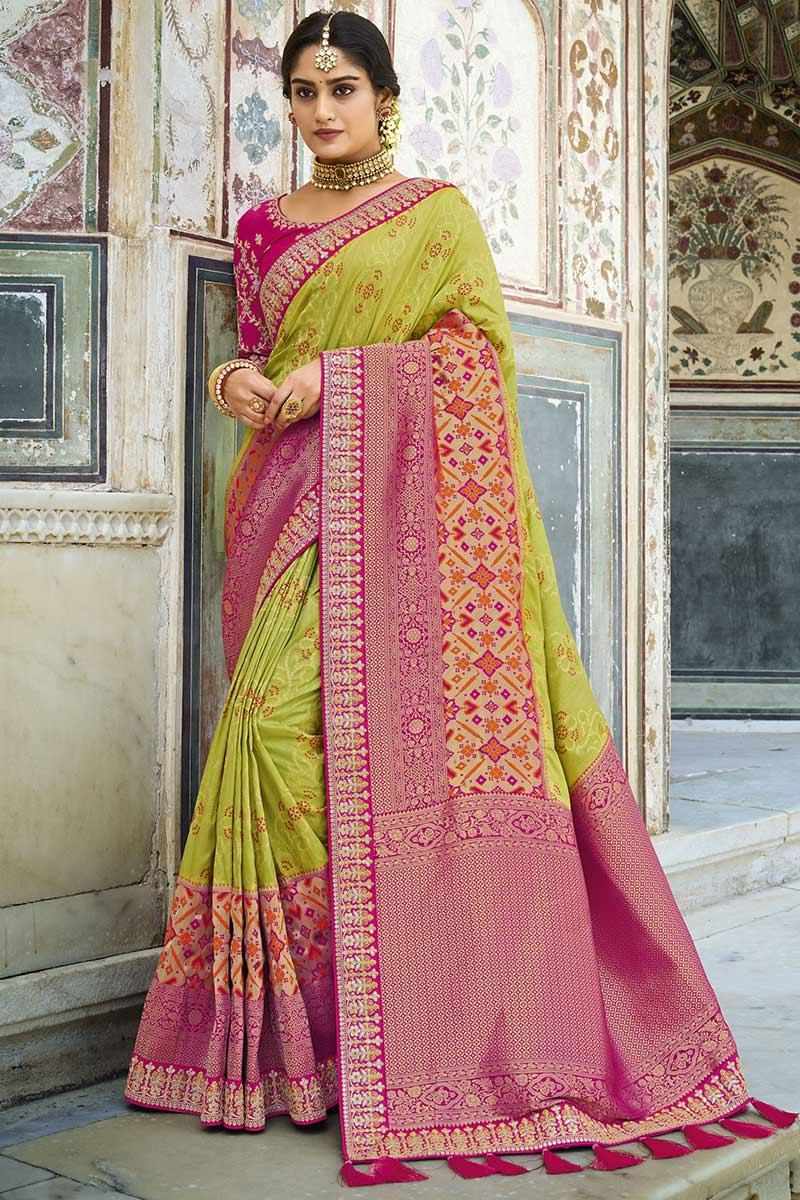
Today, blouses come in an astonishing variety of necklines (sweetheart, halter, boat neck, off-shoulder), back designs (deep-V, keyhole, tie-back, corset), sleeve styles (full, half, bell sleeves, sleeveless), and embellishments (thread work, mirrors, sequins, zari). A well-chosen blouse can transform a simple saree into a showstopper, which is why many women invest significantly in custom-tailored blouses.
For Indian wedding outfits, heavy embroidered blouses in velvet, raw silk, or brocade are especially popular. For casual or daily wear, simple cotton or chanderi blouses with subtle prints or mirror work are more practical. Having a well-fitted, versatile blouse in your wardrobe is one of the most important ethnic style investments you can make.
Indian Wedding Outfits for Women: Dressing for the Most Special Occasions
Indian weddings are grand, multi-day celebrations, and Indian wedding outfits for women reflect that grandeur. Whether you are the bride, a bridesmaid, or a guest, the expectations around dressing for an Indian wedding are high — and the options are gloriously vast.
For brides, the lehenga choli remains the most popular choice across North India, with intricate zardozi, kundan, or thread embroidery on silk or velvet fabric. In South India, Kanjivaram silk sarees in rich jewel tones are the traditional bridal choice. Anarkali suits and sharara sets are also popular for brides who want something different.
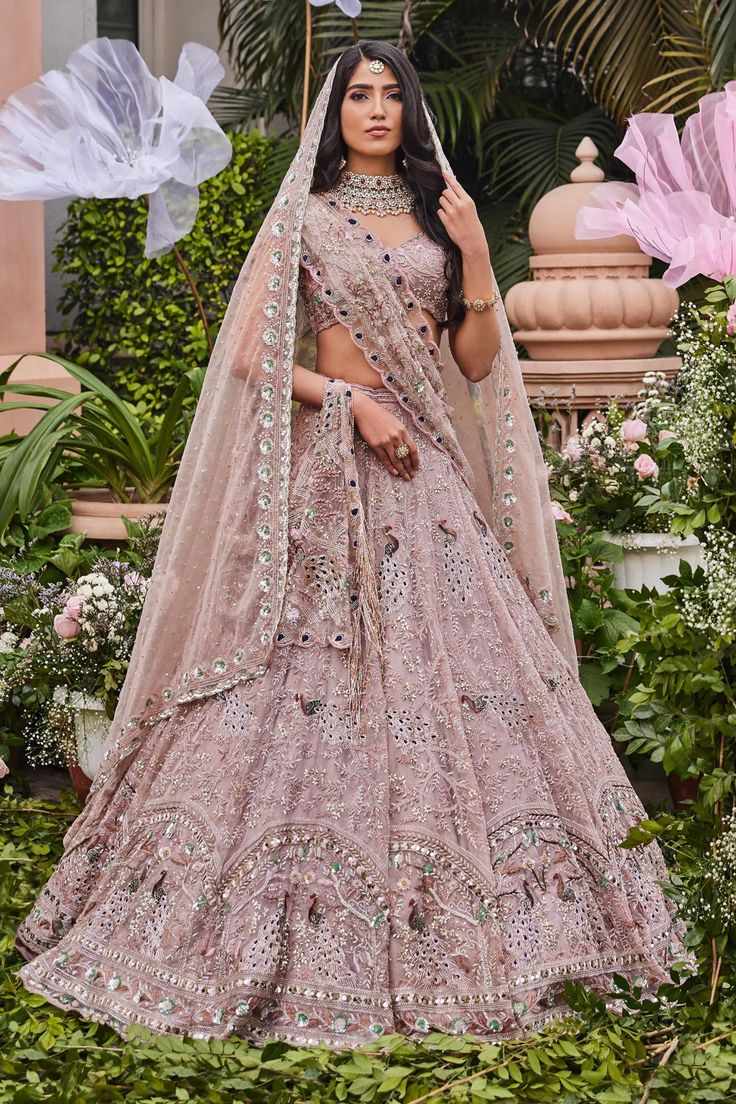
For guests and bridesmaids, Indian wedding outfits for women include everything from heavy silk sarees and embroidered salwar suits to flowy lehengas and festive coord sets. The key is to dress according to the wedding function — sangeet calls for colourful and playful outfits, the wedding ceremony deserves something more formal and embellished, and a cocktail reception allows for more fashion-forward choices.
When choosing Indian wedding outfits, consider the colour palette of the event, the time of day, and how much you will be moving and dancing. Always invest in good accessories — statement earrings, maang tikka, bangles, and potli bags can elevate even a simple outfit into a wedding-worthy look.
Frequently Asked Questions (FAQs)
Q1. What is the most popular traditional Indian clothing for women? The saree is the most iconic and widely worn traditional Indian garment for women. However, salwar kameez, lehengas, and anarkali suits are equally popular depending on the region and occasion.
Q2. Are India coord sets suitable for weddings? Yes, festive India coord sets in silk, brocade, or embroidered fabrics can be styled appropriately for wedding functions like mehendi and sangeet. For the main ceremony, a lehenga or saree is generally more formal.
Q3. Can womens kaftan dresses be worn to Indian festivals? Absolutely. Kaftan dresses in festive fabrics like silk or embroidered georgette are a great choice for festivals like Diwali, Eid, or Navratri. Pair with ethnic jewellery for a complete look.
Q4. How does a pre draped saree differ from a real saree? A pre draped saree is stitched to replicate the drape of a traditional saree, allowing you to wear it without any draping skills. A traditional saree is unstitched and must be manually draped each time.
Q5. What type of blouse goes best with a Banarasi saree? A heavily embroidered or brocade blouse in a contrasting or matching colour complements a Banarasi saree beautifully. Velvet blouses with zari detailing are also a popular pairing.
Q6. What should wedding guests wear to an Indian wedding? Indian wedding outfits for women guests typically include silk sarees, embroidered salwar suits, lehengas, or festive coord sets. Avoid white and black, as these colours are traditionally considered inauspicious at Indian weddings.

Write a comment ...